Zero-Downtime Data Migration and Cutover

Service Overview

Zero-Downtime Data Migration and Cutover

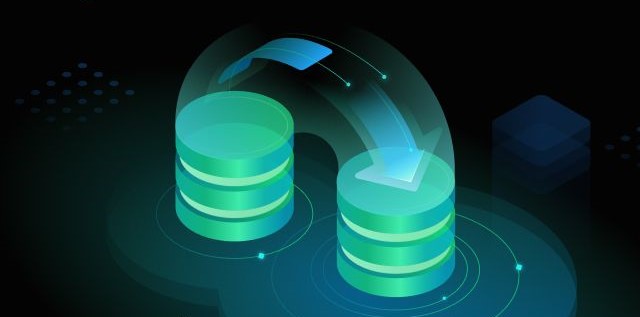
Data migration is one of the most high-risk phases of any technology transformation from both operational and financial perspectives. Any missing records, incorrect mappings, or inconsistencies in reference data can lead to financial discrepancies, disruption of critical business processes, loss of confidence in reporting, and prolonged dependence on manual work well after go-live.

For this reason, our service ensures data completeness and accuracy post-migration through rigorous validation and reconciliation mechanisms, control totals, and stakeholder-approved acceptance criteria—minimizing transition risk while maintaining operational stability. We deliver complex data migration initiatives using a disciplined methodology focused on data integrity, completeness, and business continuity. The service includes:

- Source data analysis, cleansing, and preparation.
- Design of a detailed migration plan.
- Development and execution of transformation scripts.
- Comprehensive pre-migration testing.
- Preparation of a cutover plan to execute the migration within a controlled time window, supported by rollback and contingency plans.

We ensure data is migrated with minimal to zero downtime, preserved accuracy, and full operational readiness of teams to confidently operate the new system from day one.

Required Documents

Migration scope (systems, domains, history window, entities included)
Source and target schemas (tables, keys, relationships)
Current reports or extracts used for reconciliation and sign-off
Business rules and master data dictionaries (codes, reference values, mappings)
Access to environments (dev, UAT, production) and data extracts as needed
Acceptance criteria (required control totals, tolerance thresholds, sign-off owners)
Cutover constraints (downtime window if any, blackout dates, dependencies)

What's Included

Discovery & Data Profiling

Workshops to scope migration, analyze schemas, keys, relationships, and critical dependencies.

Data Cleansing & Mapping

Quality remediation, code harmonization, and mapping of reference values and entities to business

Extraction & Loading (E/L)

Repeatable extract and load pipelines from source systems to the target platform.

Reconciliation Controls & Control Totals

Validation gates, control totals, and tolerance thresholds to ensure completeness and accuracy

Dry Runs

Full rehearsal runs before the cutover to test acceptance and rollback plans.

Controlled Zero‑Downtime Cutover

Executing migration while keeping business operations running, with a clear rollback option.

Migration Ledger & Audit‑Ready Documentation

Detailed documentation of mappings, cleansing rules, controls, and execution steps to support audits and future maintenance

Service Execution Steps

1
Scope & Requirements Definition

- Migration scope: systems, domains, history window, entities in scope.
- Source/target schemas: tables, keys, relationships.
Reconciliation/sign‑off reports, acceptance criteria (control totals, tolerances, sign‑off owners).
Cutover constraints: downtime window (if any), blackout dates, dependencies.

2
Data Analysis, Cleansing & Mapping

- Assess quality and risk; cleanse inconsistent records.
- Map reference/master data per business rules and dictionaries.

3
Extraction/Loading & Control Setup

- Build repeatable E/L pipelines.
- Implement reconciliation controls, exception handling, and settlement procedures.

4
Dry Runs & Acceptance

- Execute rehearsal runs validating control totals and tolerance thresholds.
- Prepare and test rollback plan.

5
Zero‑Downtime Cutover

- Perform controlled cutover per constraints with live monitoring.
- Confirm final acceptance and switch production.

6
Stabilization & Post‑Cutover

- Continuous monitoring; ready runbooks for replays/backfills if needed.
- Final documentation supporting audits and future rollout waves.

Service Benefits

Business continuity with controlled, low-risk cutover execution
Higher data trust through reconciliation gates, control totals, and exception handling
Migration ledger and documentation that supports audit and future maintenance
Repeatable runbooks for replays, backfills, and future rollout waves
Faster stabilization post-cutover with clear monitoring and rollback readiness