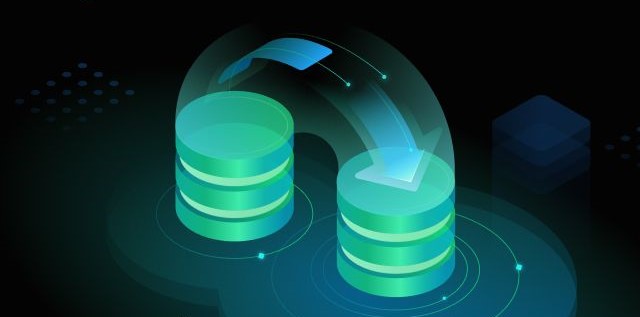
Designing and building advanced integration systems to connect diverse applications and systems, enabling secure and real time data flows between them.
Enterprise Integration and Real Time Data Flows: The Central Nervous System of Smart Organizations
In today’s digital landscape, the challenge is no longer merely building or buying technology systems it’s about making those systems “communicate” seamlessly.
Many organizations face what is known as data silos, where the sales department operates its own CRM system, HR and finance run on a separate ERP, and supplier and banking data exist in completely isolated environments.
This isolation leads to conflicting information, delays in decision-making, and significant waste of human resources, which spend hours manually transferring data between systems.
The Enterprise Integration and Real Time Data Flows service acts as the organization’s “nervous system,” connecting all systems and stakeholders into a single intelligent network that ensures information flows instantly and securely.
What is Enterprise Integration?
Enterprise Integration is both an art and a science: connecting disparate software systems to function as a single, harmonious entity.
Our service goes beyond mere data transfer. We design flexible, scalable architectures that allow the organization to expand in the future without rebuilding systems from scratch. We believe data should move freely and securely to serve business objectives.
Tools and Techniques: Building Digital Bridges
We rely on a suite of advanced technologies to ensure stable and efficient digital flows:
1. APIs (Application Programming Interfaces)
We design robust, standardized APIs to act as secure communication gateways between systems. Best practices in API management ensure usability and maximum security against breaches.
2. Microservices
Instead of rigid, monolithic systems, we build independent microservices. This allows updating or fixing one component (e.g., payment processing) without impacting the rest of the system.
3. Integration Platforms (ESB & iPaaS)
We utilize Enterprise Service Bus (ESB) and Integration Platform as a Service (iPaaS) to orchestrate data flow between internal systems (ERP, CRM) and external entities (government platforms like SADAD, Qiwa, or banks).
These platforms act as smart traffic controllers, standardizing and directing data to match the requirements of each system.
Real Time Data Flows
Our service shifts organizations from batch processing where updates occur at the end of the day to real-time data flows.
For example, when a customer makes an online purchase:
-
Inventory is updated in ERP immediately.
-
Shipping notifications are sent automatically.
-
Customer records are updated in the CRM.
-
Electronic invoices are generated instantly.
This instantaneous flow eliminates human error and provides an accurate, moment to moment view of operations.
Strategic Benefits of Enterprise Integration
Investing in integration is not just a technical upgrade it transforms operational efficiency:
-
Breaking Data Silos: A single source of truth ensures all users see the same updated data, regardless of system.
-
Improved Data Accuracy: Automation eliminates double data entry and reduces human error to near zero.
-
360-Degree Visibility: Management gains comprehensive dashboards combining sales, finance, and inventory data in real time.
-
Scalability: New applications or systems can be connected seamlessly without complex redevelopment.
-
Faster Market Response: Quick deployment of new services using integrated, real-time data.
Connecting External Stakeholders
Our integration extends beyond internal systems:
-
Suppliers: Automated purchase orders when inventory reaches a threshold.
-
Banks & Financial Institutions: Immediate payment and collection reconciliation.
-
Government Agencies: Seamless integration with national platforms for compliance and tax processes.
Implementation Methodology
We follow a rigorous methodology to ensure project success:
-
Assessment & Analysis: Understand current systems and identify gaps.
-
Architecture Design: Map data flows and select the most suitable integration tools.
-
Development & Testing: Build and stress test digital pathways under real data loads.
-
Security & Encryption: Protect data during transmission to prevent leaks.
-
Monitoring & Support: Provide tools for real-time integration monitoring and instant intervention if issues arise.
Conclusion: Integration is Strength
In the digital era, organizational power is not measured by the amount of data you have, but by how quickly and efficiently that data moves across your enterprise.
The Enterprise Integration and Real Time Data Flows service transforms fragmented systems into a harmonious technical symphony, accelerating decision-making and delivering an unmatched customer experience.