Measuring, calculating, and reporting a company’s direct and indirect carbon emissions in accordance with global best practices.
Carbon Footprint and Emissions Reporting: Cornerstone of Corporate Sustainability and Institutional Transparency
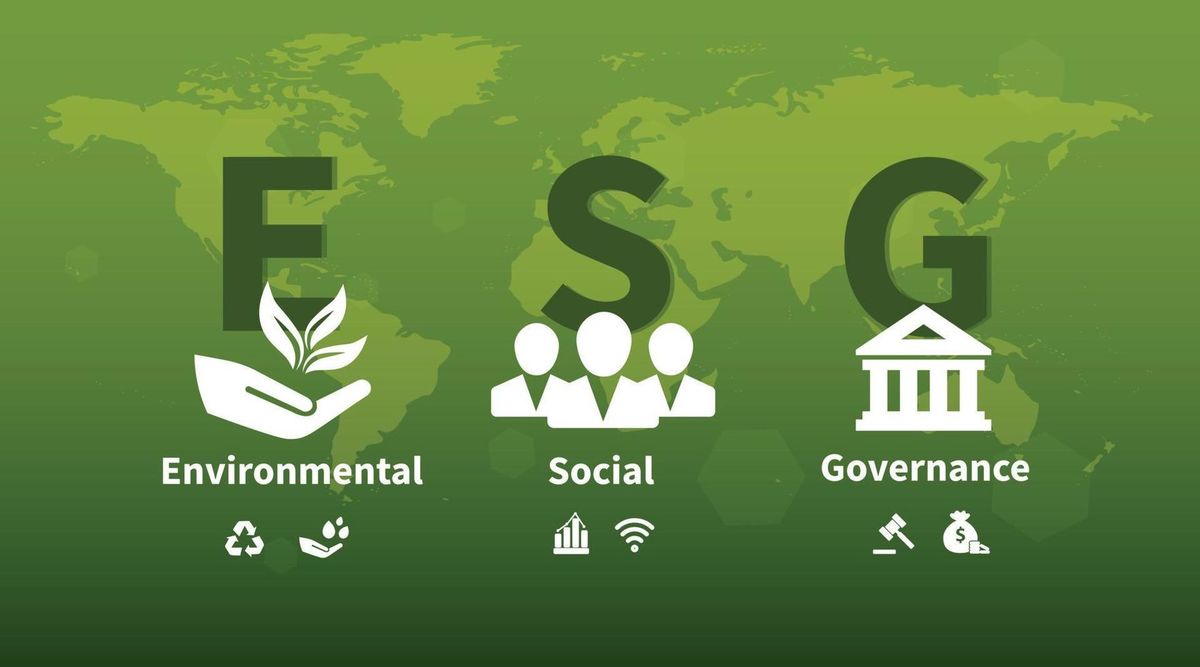
In today’s world, measuring environmental impact is no longer a voluntary exercise for enhancing corporate image it has become a critical pillar for assessing institutional performance and financial resilience. With increasing investor pressure, stricter environmental regulations, and the rise of Environmental, Social, and Governance (ESG) standards, carbon footprint and emissions reporting has become the universal language through which ambitious companies demonstrate transparency and sustainability.
Our service, “Calculating and Reporting Emissions (Scope 1 & 2, with Readiness for Scope 3),” provides organizations with a scientifically accurate tool to understand their emissions, establish a reliable baseline, and pave the way toward a green transformation.
What is a Carbon Footprint and Why Measure It?
A carbon footprint is the total amount of greenhouse gases (GHGs) such as carbon dioxide and methane produced by human or organizational activities. Accurate measurement is the first essential step for any successful sustainability strategy. Without precise data, emission reduction efforts remain arbitrary and unverifiable.
Carbon footprint reporting helps companies:
-
Meet regulatory requirements: Comply with increasing local and international environmental laws.
-
Attract investment: Investors favor organizations that disclose precise and transparent climate data.
-
Optimize operations: Accurate measurement often reveals energy inefficiencies, opening opportunities to reduce costs.
-
Enhance reputation: Demonstrates environmental responsibility to clients and partners.
Understanding the Three Scopes: A Comprehensive Approach
Our methodology follows the Greenhouse Gas (GHG) Protocol, the globally recognized standard, dividing emissions into three main scopes:
1. Scope 1 – Direct Emissions
These are emissions produced from sources owned or controlled directly by the company, including:
-
Fuel combustion in facilities (boilers, furnaces).
-
Company-owned vehicle fleet emissions.
-
Fugitive emissions from air conditioning and refrigeration equipment.
2. Scope 2 – Indirect Emissions from Purchased Energy
Emissions resulting from electricity, steam, heating, or cooling purchased by the company. Although emissions occur at the power generation site, they are accounted for in the company’s carbon footprint because the company is the end consumer.
3. Scope 3 – Value Chain Emissions
Scope 3 is often the most complex and largest category, encompassing all other indirect emissions across the company’s value chain, including:
-
Employee business travel (air, road).
-
Transportation and distribution by third parties.
-
Waste management from operations.
-
Supplier-related emissions.
Our service prepares organizations for Scope 3 by setting up systems to collect relevant data.
How We Prepare Reports: Our Methodology
Our reporting process ensures data accuracy, traceability, and audit readiness:
-
Define organizational and operational boundaries: Clearly determine which facilities and activities are included (branches, factories, subsidiaries).
-
Inventory data collection: Gather actual consumption data (electricity bills, fuel logs, travel distances, etc.).
-
Apply emission factors: Use internationally recognized conversion factors to translate consumption data into CO₂ equivalent tons (CO₂e).
-
Prepare the final report: Deliver a professional report showing the relative distribution of emissions, analyzing trends, and comparing performance with previous years or industry benchmarks.
Aligning Reports with Global Initiatives (CDP and Others)
We go beyond mere calculations by preparing reports that are ready for global initiatives such as the Carbon Disclosure Project (CDP). This alignment helps your company achieve higher environmental and credit ratings, boosting your standing in international financial markets. Our reports also comply with climate disclosure requirements for banks and financiers as part of due diligence processes.
Strategic Value: From Numbers to Decisions
The ultimate goal of carbon footprint reporting is to convert raw data into strategic insights. By understanding where emissions are concentrated, management can:
-
Prioritize investments: Decide whether solar panels or fleet upgrades provide the best return on investment.
-
Set realistic reduction targets: Build emissions reduction strategies based on actual data, not estimates.
-
Improve supplier management: Select suppliers with lower environmental impact, reducing supply chain risks.
Conclusion
Building a sustainable future starts with honesty and understanding your current impact. Our carbon footprint and emissions reporting service provides organizations with a mirror reflecting their true environmental impact and a formal document demonstrating their commitment to the world.
In the context of the global shift toward a green economy, the question is no longer “Why measure our footprint?” but “When will we start?” We are here to be your technical and strategic partner in this journey, ensuring your reports lead the field and serve as a true driver of positive change within and beyond your organization.