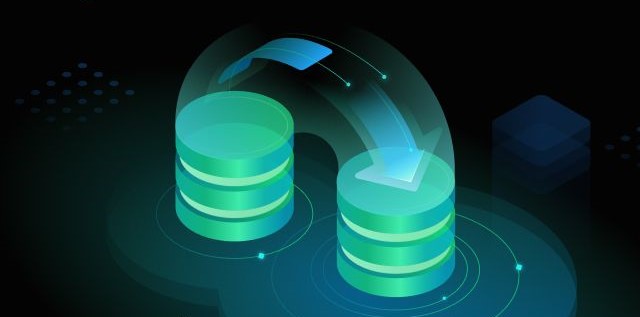
Reviewing and analyzing legacy technical and operational systems to modernize or replace them and enhance their efficiency.
Legacy Systems Assessment and Re-engineering: Freeing Organizations from the Constraints of the Digital Past
In the race toward rapid digital transformation, many long established organizations find themselves constrained by what are known as legacy systems.
These systems once a source of technological pride have today become barriers to innovation, black holes that drain maintenance budgets, and security vulnerabilities that threaten business continuity.
Clinging to an aging system simply because it “still works” is a gamble with the organization’s future and competitiveness.
The Legacy Systems Assessment, Analysis, and Re-engineering service acts as a surgical instrument that diagnoses weaknesses in the technical infrastructure and delivers a carefully designed roadmap to move from technological rigidity to full digital agility.
The Legacy Systems Dilemma: Why Act Now?
Legacy systems are not merely “old software.” They are often built on outdated programming languages, databases, or infrastructure that are no longer supported by vendors, or that rely on scarce expertise that is increasingly hard to find.
Their risks manifest in several critical areas:
-
Excessive maintenance costs: Legacy systems can consume up to 70% of IT budgets just to “keep the lights on,” instead of funding innovation.
-
Security risks: Lack of modern security updates makes these systems easy targets for advanced cyberattacks.
-
Poor integration: Integrating legacy systems with modern applications, cloud platforms, or AI tools is often difficult or impossible.
-
Poor user experience: Complex, slow interfaces reduce employee productivity and frustrate customers.
Service Overview: Precise Diagnosis for a Strategic Decision
Our assessment service is grounded in deep technical and operational analysis not guesswork.
We evaluate legacy systems from three core perspectives:
1. Comprehensive Technical Assessment
We examine source code, database architecture, and hardware compatibility.
We assess scalability and system stability under real operational load.
2. Total Cost of Ownership (TCO) Analysis
We calculate the full cost of ownership, including licensing fees, scarce expert resources, and the opportunity cost lost due to system inefficiencies.
Many organizations discover that replacing the system is far more cost-effective in the medium term than continuing to maintain it.
3. Business Fit Evaluation
Does the system support your business goals for 2026 and beyond?
We align current system capabilities with future organizational ambitions to identify the size and impact of the gap.
Modernization Strategies: Options Aligned with Your Vision
Following the assessment phase, we present clear strategic options because there is no one size fits all solution:
-
System Re-engineering: Rebuilding critical components using modern programming languages while preserving proven business logic boosting performance without radically changing operations.
-
Modernization: Migrating systems to the cloud or wrapping them with APIs to enable integration with modern platforms.
-
Full Replacement: When systems are no longer viable, we design a secure transition to modern solutions (such as SaaS or advanced ERP platforms), ensuring safe and accurate data migration.
Objectives and Outcomes: What Your Organization Gains
Re-engineering legacy systems delivers a step-change in organizational efficiency:
A. Enhanced Cybersecurity
Modernized systems adopt the latest encryption standards and security frameworks, significantly reducing breach risks.
B. Greater Agility and Speed
Modern platforms enable changes and feature releases in days rather than months, allowing rapid market responsiveness.
C. Lower Operating Costs
Eliminating obsolete hardware and end-of-life software in favor of scalable, pay-as-you-go cloud solutions reduces long-term costs.
D. Enablement of Modern Technologies
AI, advanced analytics, and big data cannot run on 1980s-era databases.
Modernization is the gateway to future technologies.
Our Methodology: Safe and Controlled Transformation
Recognizing that legacy systems often support mission-critical operations and sensitive data, we follow a risk-mitigation-first approach:
-
Reverse engineering: Deep documentation of how the legacy system currently operates.
-
Prioritization: Addressing the most business-critical functions first.
-
Phased execution: Incremental modernization to ensure zero or minimal downtime.
-
Training and support: Preparing teams to confidently operate the modernized system.
Conclusion: Don’t Let the Past Block Your Future
Legacy systems represent technical debt that compounds daily.
Confronting this debt through structured assessment and re-engineering is one of the most critical steps in any true digital transformation journey.
We help you turn your system from a burden into a competitive advantage—one that supports growth, resilience, and a secure digital future.