The 2026 guide to company formation in Egypt for foreigners, Learn about 100% ownership, costs, steps, and bypass bureaucracy effortlessly with expert help.
According to recent reports from the General Authority for Investment and Free Zones (GAFI), foreign business incorporation in Egypt witnessed a robust 23% growth in 2025. However, many foreign investors still encounter administrative and legal roadblocks when taking this crucial step.
The friction often begins with a lack of clarity regarding permitted corporate structures, ownership conditions, or documentation requirements. This ambiguity can delay projects for months or freeze capital without achieving actual operational status.
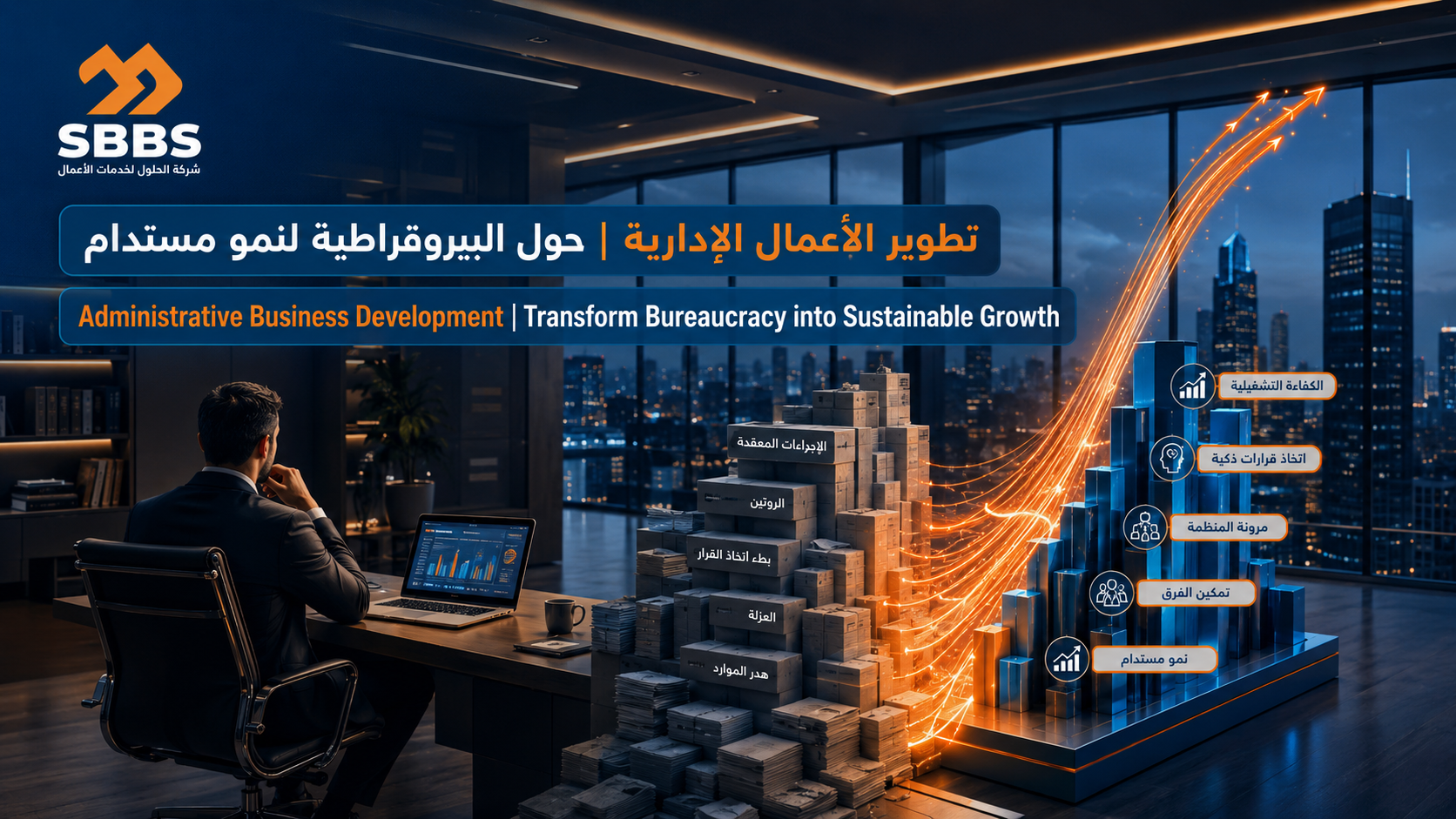
Is there a way to bypass these complexities without being a local legal expert? Yes. By adopting an integrated approach that combines legal due diligence, executive implementation, and on-the-ground follow-up. This exact model has proven effective in accelerating Egyptian market entry by up to 60% compared to traditional methods.
Key Advantages of Setting Up a Business in Egypt
Egypt offers a comprehensive investment ecosystem that makes foreign company formation highly attractive. Combining a strategic geographic location with a massive consumer market and aggressive legal incentives, Egypt ranks among the top emerging destinations. Key advantages include:
-
A Global Gateway: A strategic nexus connecting African, Middle Eastern, and European markets, significantly reducing transportation and logistical costs.
-
Massive Consumer Market: A population exceeding 110 million, predominantly youth, with a rapidly expanding middle class.
-
Preferential Trade Agreements: Membership in COMESA, the EU Partnership Agreement, and QIZ, granting your products preferential access to over 2 billion consumers.
-
Aggressive Tax Incentives: Investment Law No. 72 of 2017 offers tax deductions of up to 50% in designated developing zones and grants "Golden Licenses" to mega-projects.
-
Unrestricted Capital Flow: Absolute freedom to repatriate capital and dividends abroad in any freely convertible currency.
-
Customs and Tax Exemptions: Streamlined procedures and significant financial exemptions for foreign investors.
These advantages alone do not guarantee a seamless setup. For over 15 years, SBBS has specialized in translating these national incentives into tangible, operational realities for foreign investors.
Why Investors Choose Egypt as a Gateway to Africa & the Middle East
Located at the crossroads of three continents, Egypt is the natural launchpad for African, Arab, and European markets. Beyond its geography, Egypt boasts a consumer base of over 110 million, with a growing middle class driving diverse product and service demands.
Legally, Investment Law No. 72 of 2017 represented a paradigm shift. It allows foreigners 100% ownership in the vast majority of sectors, offers up to 50% tax exemptions in Free Zones, and guarantees the free transfer of profits. Coupled with its network of trade agreements, these elements consolidate Egypt's position as a highly competitive investment hub.
Permitted Corporate Structures for Foreigners in Egypt
Egyptian law allows foreign investors to establish wholly-owned entities primarily through two legal structures: the Limited Liability Company (LLC) and the Joint Stock Company (JSC / SAE). They differ in capital requirements, number of partners, and management style.
Here is a comprehensive comparison to help you choose the right model for your operational scale:
Crucial Note: In both structures, a foreign investor can retain 100% ownership without a local Egyptian partner, provided the business activity does not fall under the "Negative List" (e.g., domestic trade or weaponry), which we will detail below. Selecting the right corporate entity is a critical decision. At SBBS, we analyze your business model and capital to recommend the optimal structure, handling the entire legal incorporation process on your behalf.
Conditions for 100% Foreign Ownership in Egypt
The Egyptian Investment Law grants foreigners the right to 100% ownership in most sectors. However, specific conditions must be met to ensure official regulatory approval:
-
The business activity must not fall under the Negative Investment List (e.g., commercial agencies, domestic trade, specific security activities).
-
Certain regulated sectors (e.g., financial services, strategic industries) may impose specific minimum capital requirements.
-
Appointment of a resident manager in Egypt (the foreign investor can act as the manager upon obtaining a valid residency visa).
-
Commitment to submitting audited financial statements to GAFI and the Egyptian Tax Authority (ETA).
Prohibited Sectors for Foreign Ownership (The Negative List)
Despite Egypt's highly open investment climate, specific sectors are strictly prohibited for foreign ownership by law:
-
National Security Industries: Manufacturing of weapons, ammunition, explosives, and alcoholic beverages.
-
Commercial Agencies & Brokerage: Exclusively restricted to Egyptian nationals; foreigners cannot practice these activities.
-
Sinai & Agricultural Lands: Foreigners are prohibited from owning agricultural and desert lands, as well as real estate in the Sinai Peninsula (with very limited exceptions requiring special approvals).
-
Regulated Professions: Law firms, accounting, and auditing practices require licensed Egyptian partners.
Practical Steps to Incorporate a Company in Egypt
Instead of navigating the labyrinth of government entities alone, we execute the entire procedure on your behalf—from conceptualization to handing over the Commercial Register. Here is our executive roadmap:
-
Activity Analysis: We study your investment plan and determine the most compliant legal form (LLC or JSC).
-
Drafting & Authentication: We draft bilingual Articles of Association (AoA) and authenticate signatures via the Notary Public and Embassies if required.
-
GAFI Processing: We finalize all approvals with the General Authority for Investment and Free Zones (GAFI) and the Commercial Registry within days.
-
Tax Registration: We register your company with the Egyptian Tax Authority and secure your Tax Identification Number (TIN).
-
Banking & Capital: We coordinate with Egyptian banks to open your corporate account and deposit the required share capital (for JSCs).
-
Sectoral Licensing: We finalize all necessary industrial, commercial, or professional operating licenses.
-
Handover: You receive your Commercial Register, Tax Card, and Incorporation Contract—ready for immediate operation.
Every step requires meticulous follow-up and cross-agency coordination. With SBBS, you are never alone; our team acts as your localized executive arm.
Realistic Timeline and Costs for Incorporation
Timelines and costs vary based on the company type and specific activities. However, the following figures reflect the realistic operational average for foreign investors:
Estimated Timeline:
-
LLC: 10 to 20 working days.
-
JSC: 25 to 40 working days.
Approximate Costs (Government & Service Fees):
-
LLC: Starting from EGP 15,000.
-
JSC: EGP 50,000 and above.
Free Zones and Investment Zones in Egypt
Egyptian Free Zones offer an unparalleled investment ecosystem characterized by streamlined procedures and hyper-competitive incentives:
-
Zero Customs: Full exemption from customs duties on imported machinery, equipment, and raw materials.
-
Tax Holidays: Exemption from stamp tax and notarization fees for 5 renewable years.
-
Financial Freedom: 100% unrestricted repatriation of capital and project dividends.
-
Single-Window System: Licensing finalized within 30 days via GAFI's unified window.
Note: Existing public free zones (Nasr City, Alexandria, Port Said, Damietta) are currently at 95% occupancy, with new zones under development in 10th of Ramadan, New October, and Alamein. A primary condition for Free Zone setup is that production must be predominantly export-oriented.
The Role of SBBS as Your Executive Incorporation Partner
The difference between merely filing paperwork and achieving a secure, successful market launch lies in partnering with an executive firm that implements on your behalf. We provide an end-to-end suite starting from day one:
-
Conducting preliminary feasibility studies to validate your market entry.
-
Selecting the optimal legal structure tailored to your expansion goals (LLC, JSC, or Foreign Branch).
-
Executing all official procedures: Notarization, Commercial Registry, Tax ID, and government clearances.
-
Securing specialized industrial/commercial licenses and registering your intellectual property/trademarks.
-
Processing investor and employee residency visas, and managing post-incorporation tax and banking files.
Backed by our regional network across Egypt, KSA, and Oman, and the trust of over 500 B2B clients, we guarantee a frictionless entry devoid of common delays.
The Risks of Entering the Market Without an Executive Partner
Lacking an integrated local partner exposes foreign investors to costly operational and legal liabilities, notably:
-
File rejections due to procedural errors, wasting critical weeks in resubmissions.
-
Blowing past project timelines, delaying actual operations by 3 to 6 additional months.
-
Unintentional legal violations stemming from a misunderstanding of localized sectoral nuances.
-
Redundant consulting fees caused by hiring disparate entities (a lawyer, a licensing broker, a tax consultant) separately.
-
Losing competitive momentum as faster, better-equipped rivals capture market share while you wait on paperwork.
Frequently Asked Questions (FAQs)
Can a foreigner own 100% of a company in Egypt? Yes. Investment Law No. 72 of 2017 permits 100% foreign ownership in the vast majority of sectors, excluding a limited negative list (e.g., domestic trade, weaponry, commercial agencies).
How long does the incorporation process take? Typically between 10 to 30 working days, depending on the legal structure and the speed of acquiring supplementary sectoral licenses.
Do I need to be physically present in Egypt to set up the company? No. The entire process can be executed remotely via official, legalized Powers of Attorney (PoA) granted to a trusted partner like SBBS.
What is the minimum capital required? For an LLC, there is no statutory minimum (though EGP 50,000 is practically recommended). For a Closed JSC, the minimum is EGP 250,000.
Can I freely repatriate my profits abroad? Absolutely. Profits and capital can be transferred abroad with total freedom, in any convertible foreign currency, without banking restrictions.
What if my business is manufacturing/industrial? Industrial ventures require an Industrial License from the Industrial Development Authority (IDA). Securing this license is a core component of our integrated incorporation services.
Setting up a business in Egypt is a highly promising venture, driven by a massive market, aggressive incentives, and the right to 100% ownership. However, bureaucracy remains a tangible hurdle. This is where the difference between months of frustration and weeks of seamless setup becomes apparent. Egypt is worthy of your investment, and you deserve the right strategic start. Partner with SBBS Solutions today.