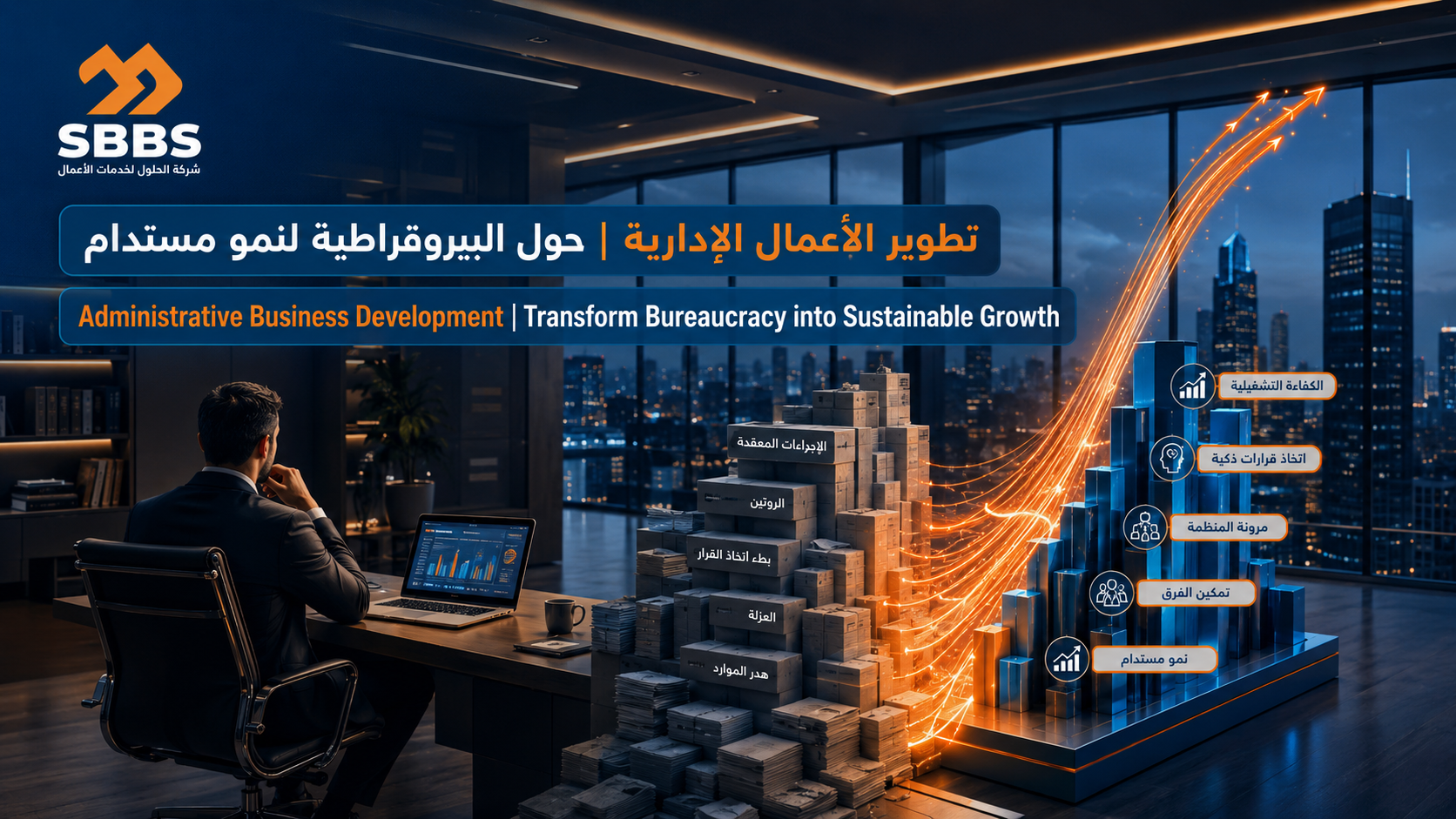
Planning to set up a business in Oman as a foreign investor in 2026? Discover how to secure 100% foreign ownership, navigate the "Invest Easy" portal, choose the right corporate structure, and understand the associated costs. Your comprehensive guide to investing in Oman.
With Foreign Direct Investment (FDI) in the Sultanate of Oman surging to OMR 31.4 billion—marking an impressive 8.1% growth—foreign investors are increasingly seeking a clear, secure, and seamless pathway to establish their businesses in the Omani market.
Despite this rising investment momentum, the initial hurdle for many remains the ambiguity of legal procedures and the sheer volume of administrative details, which can overwhelm even the most seasoned entrepreneurs.
However, by collaborating with an integrated business solutions partner, these complex challenges are transformed into clear, strategic steps, enabling you to confidently enter a promising market brimming with opportunities.
Why Invest in Oman? (Vision 2040 Advantages)
Before deciding to establish a company in Oman as an expatriate, it is crucial to understand the driving factors that make the Sultanate a premier investment destination. From robust economic and legislative stability to its strategic geographic location and advanced, business-friendly infrastructure, Oman offers a compelling value proposition:
1. Economic and Legislative Stability Oman boasts a stable investment climate, bolstered by continuous legislative reforms. Key highlights include:
-
Upgraded sovereign credit rating to "Investment Grade".
-
Enactment of laws permitting 100% foreign ownership across most commercial activities.
-
Elimination of the unified minimum capital requirement in the majority of sectors.
-
Unrestricted freedom to repatriate capital and corporate profits.
2. Strategic Location and Trade Agreements Overlooking the Arabian Gulf and the Arabian Sea, Oman provides investors with an unparalleled logistical advantage, further amplified by modern trade agreements:
-
The Comprehensive Economic Partnership Agreement (CEPA) with India, signed in December 2025.
-
Preferential trade agreements with Iran and other regional markets.
-
Seamless access to Asian, African, and European consumer markets via world-class Omani ports.
3. Advanced, Business-Enabling Infrastructure Oman has invested heavily in its infrastructure to position itself as a regional logistics and commercial hub. Notable developments include:
-
The state-of-the-art ports of Salalah, Sohar, and Duqm, supported by a unified digital port platform launched in 2026.
-
Committed investments in Special Economic Zones (SEZs) exceeding OMR 22.4 billion.
-
The "Invest in Oman" digital platform, which successfully processed 59 major projects valued at OMR 3.2 billion.
Wondering if your business model is ready for the Omani market? Consult with the specialized business developers at SBBS today.
Types of Corporate Structures for Foreigners: A Comprehensive Comparison
Setting up a business in Oman requires selecting the optimal legal framework before initiating any procedures. Whether you opt for the highly popular Limited Liability Company (LLC), a Closed Joint Stock Company for large-scale ventures, a Single Person Company, or a branch office, each structure has specific regulatory requirements:
Limited Liability Company (LLC) – The Most Popular Choice The LLC is the preferred structure for foreign investors due to its flexibility and liability protection. Key features include:
-
100% foreign ownership in permitted activities without the need for a local Omani partner.
-
Legal protection that separates corporate liabilities from the shareholders' personal assets.
-
Operational flexibility in day-to-day management and the transfer of shares.
-
Capability to engage in diverse commercial, industrial, and service activities.
-
A maximum of 50 shareholders, with no public subscription allowed.
Closed Joint Stock Company (SAOC) Designed for large-scale investment projects requiring substantial financing and advanced corporate governance. Characteristics include:
-
A minimum share capital of OMR 500,000, divided into shares tradable among founders.
-
Requires between 3 to 5 founding members, with no public share offering.
-
Strict adherence to corporate governance standards as per Ministerial Decision No. 5/2025 issued by the Ministry of Commerce, Industry, and Investment Promotion.
-
Ideal for major industrial plants, financial institutions, and holding companies.
Single Person Company (SPC) This structure allows an individual foreign investor to establish an independent commercial entity with limited liability:
-
Wholly owned and managed by a single natural or legal person.
-
Distinct financial liability protecting the owner's personal wealth.
-
Highly suitable for solo entrepreneurs, consultants, and freelancers.
-
Simplified incorporation procedures compared to multi-partner entities.
Don't let legal complexities slow you down. The corporate structuring experts at SBBS will help you select the optimal framework for your business model.
Step-by-Step Company Formation Process in Oman
Once the appropriate legal structure is selected, the actual incorporation journey begins via a streamlined digital process. This journey encompasses six primary milestones:
1. Activity Selection and Trade Name Reservation Initiated through the Ministry's "Invest Easy" portal, this foundational phase includes:
-
Accurately selecting the International Standard Industrial Classification (ISIC) code, which dictates subsequent licensing requirements and fees.
-
Proposing a unique trade name compliant with Omani naming regulations.
-
Securing preliminary approval for the trade name (typically taking 1 to 3 working days).
2. Drafting Incorporation Documents Following name reservation, the company's legal dossier is prepared:
-
Drafting the Memorandum and Articles of Association (MoA/AoA), signed by all founders and fully compliant with the Omani Commercial Companies Law.
-
Notarizing these documents before a Notary Public to ensure legal validity.
-
Compiling passport copies of all shareholders and directors, alongside valid entry visas for foreign investors.
3. Bank Account Opening and Capital Deposit This phase involves critical financial compliance before final registration:
-
Opening an "Under Formation" corporate bank account with an authorized commercial bank in Oman.
-
Depositing the requisite minimum capital. (Note: While many sectors have waived this, certain foreigner-owned structures or specific activities may still require a baseline deposit of OMR 20,000 or more).
-
Obtaining a bank certificate confirming the capital deposit, a mandatory document for the final CR issuance.
4. Final Registration and Commercial Register (CR) Issuance The final application is submitted via the "Invest Easy" platform:
-
Uploading all authenticated documents: Notarized MoA, capital deposit certificate, passports, and the registered lease agreement for the physical office.
-
Paying the Ministry's registration fees (ranging from OMR 150 to 500), plus the Oman Chamber of Commerce and Industry (OCCI) membership fees.
-
Upon approval, the Commercial Register (CR) certificate is issued, officially granting the company its legal corporate identity.
5. Registration with Allied Government Entities Post-CR issuance, the company must register with various authorities to ensure full compliance:
-
Muscat Municipality (or regional municipality) to obtain the municipal license for the business premises.
-
Oman Tax Authority to secure a Tax Identification Number (TIN) and register for Corporate Income Tax and Value Added Tax (VAT).
-
Ministry of Labour to establish the company file, manage foreign workforce quotas, and process labor clearances.
-
Public Authority for Social Insurance (PASI) to register the mandatory social security contributions for Omani nationals employed.
6. Sector-Specific Licensing and Additional Approvals Certain economic activities require pre- or post-incorporation approvals from regulatory bodies:
-
Environmental permits from the Environment Authority for manufacturing and industrial activities.
-
Health and safety approvals from the Ministry of Health for medical, pharmaceutical, or F&B projects.
-
Security clearances from the Royal Oman Police (ROP) for specialized operations.
-
Import/Export licenses from the Directorate General of Customs.
Save your valuable time and resources. The SBBS execution team manages this entire process on your behalf—from initial filing to handing over your fully licensed Commercial Register.
The Role of SBBS: Your Integrated Market Entry Partner
Setting up a business in Oman is more than just submitting paperwork; it requires a local strategic partner who understands the nuances of the regulatory landscape.
This is where SBBS Solutions—your integrated business solutions provider—steps in. We manage your portfolio from A to Z, ensuring you launch into the Omani market with absolute confidence and zero administrative friction. Our integrated approach includes:
-
End-to-end management of the "Invest Easy" portal procedures, saving you from daily follow-ups.
-
Expert drafting and notarization of legal documents in strict adherence to Omani Corporate Law.
-
Seamless coordination with government ministries, municipalities, and banking institutions.
-
Providing comprehensive growth solutions, from preliminary feasibility studies to securing investor residencies.
Frequently Asked Questions (FAQs)
How much does it cost to set up a company in Oman? The total cost of company formation typically ranges between OMR 1,000 and OMR 5,000, depending heavily on the chosen business activity, required sectoral licenses, and the scale of the investment.
Are companies in Oman tax-exempt? Corporate entities are generally subject to a flat 15% Corporate Income Tax. However, lucrative tax holidays and exemptions lasting up to 10 years (or more) are available for projects established within Special Economic Zones and Free Zones.
What are the requirements for a foreign investor in Oman? The primary conditions include being at least 18 years of age, obtaining the necessary foreign investment licenses prior to operation, and adhering to regulatory compliance. Under the new laws, foreigners can enjoy 100% ownership in the vast majority of sectors.
Can a foreigner own 100% of a business in Oman? Yes. The updated Foreign Capital Investment Law permits up to 100% foreign ownership in most commercial and industrial activities, without the need for an Omani sponsor.
Establishing a company in Oman as a foreign investor is now clearer and more accessible than ever before. Partner with SBBS Solutions today to ensure absolute compliance, accelerate your market entry, and turn your business ambitions into a sustainable operational reality.